
Office of
Access & Community Connections

ABOUT THE OFFICE OF ACCESS & COMMUNITY CONNECTIONS
WHAT WE DO
Haslam’s Office of Access and Community Connections (OACC) offers a variety of programs, organizations and services designed to provide support to Haslam students, faculty, staff, stakeholders and the community. The OACC team, in connection with campus partners and community organizations, provides mentorship, academic support, leadership and professional development and resources to foster intellectual growth and support the university’s mission of advancing access and opportunity. The OACC strives to create a sense of belonging where all may thrive and achieve success. The office works in accordance with the university’s land grant mission and the UT System’s Statement of Aspirations.
PRE-COLLEGIATE
PROGRAMS
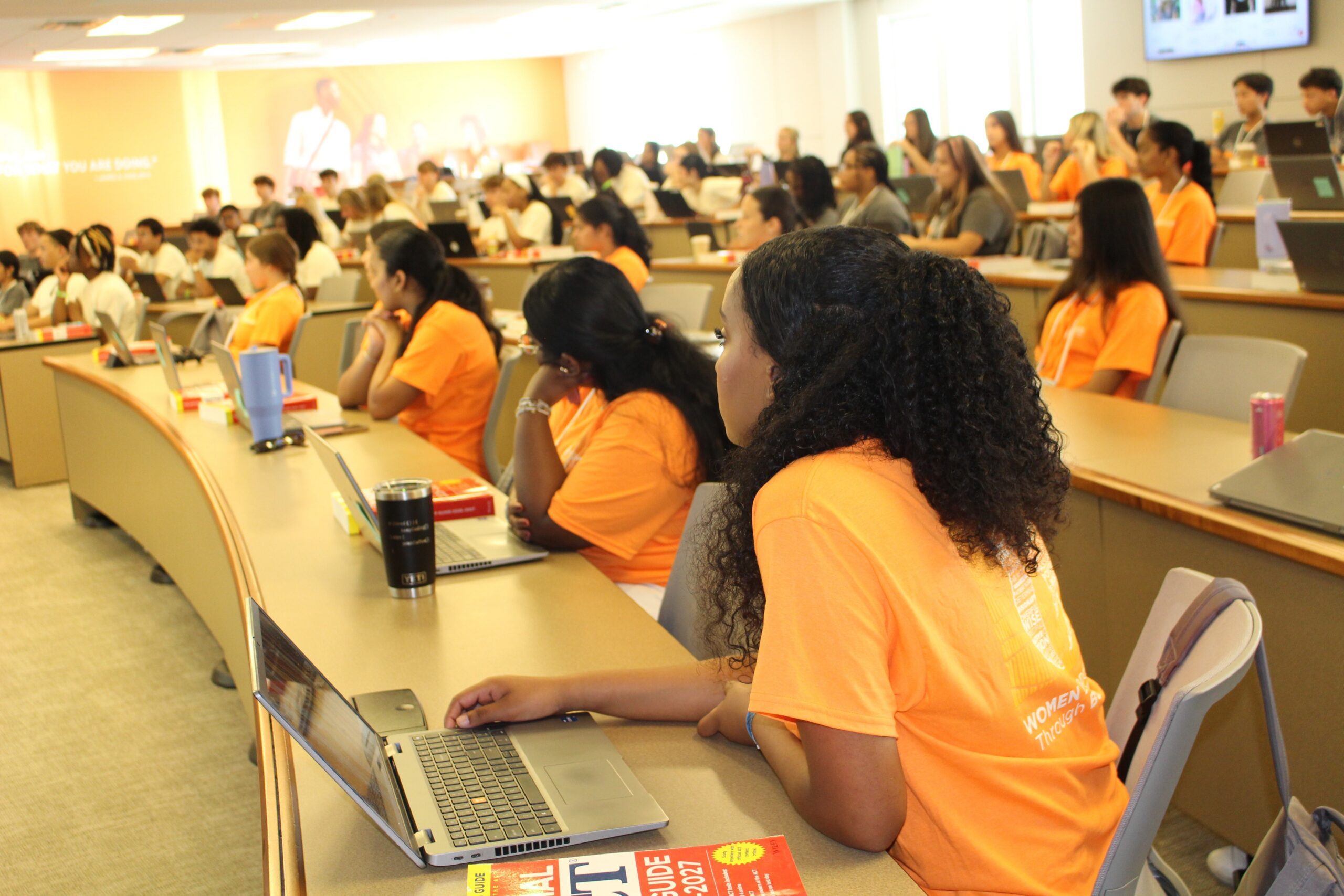
Haslam’s OACC offers four pre-collegiate programs for talented high school students. These immersive summer programs give rising high school juniors and seniors1 the chance to learn more about certain aspects of the business world and prepare for the college experience. The current pre-collegiate programs include:
- Business Education for Talented Students (BETS)
- Accounting and Information Management (AIM) Academy
- Women Empowered Through Business (WEB) Institute
- Supply Chain Management (SCM) Summer Program
- Education College Awareness Program (ECAP)
1Admittance of juniors and seniors varies by program. Please visit the individual program pages to learn more.
Collegiate
Programs
We proudly offer various programs and events for Haslam students to define a pathway toward successful leadership along with becoming empowered leaders. Our collegiate programs include:
Faculty & Staff
Programs
Our office works with Haslam faculty and staff to continually improve the college and offer the very best to our students. OACC faculty and staff enrichment opportunities include:
- Professional Development Fund for Staff
- Connections and Engagement Council
- Faculty and Staff Lunch and Learn Sessions
- Collaborative Leadership Summit


Community
Outreach
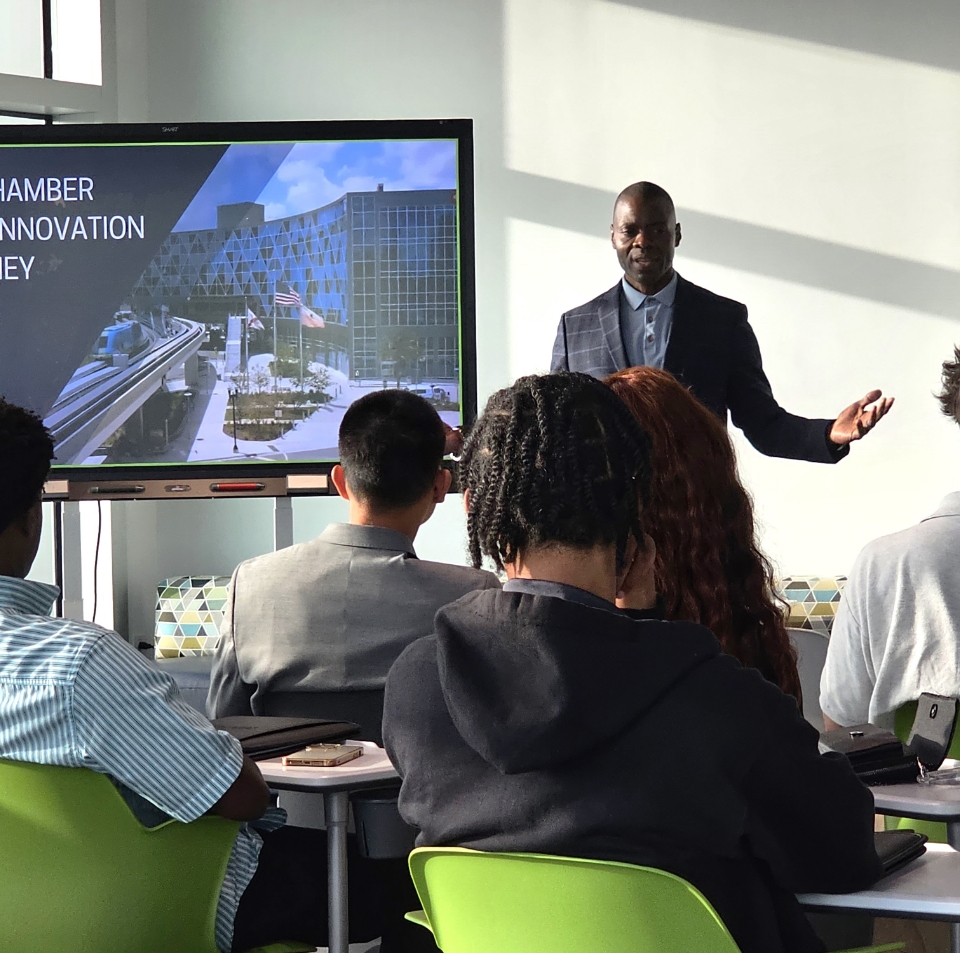
The OACC firmly believes in community engagement and outreach. We have multiple partnerships that facilitate connections and enrichment between all community members.
Stay Connected
Make the Most of Your Haslam Experience
There’s always something happening through the Office of Access and Community Connections! From upcoming events and leadership opportunities to professional development, mentorship, networking, and other student programs, we’re here to help you discover opportunities that support your growth and success at Haslam. Explore this page regularly for the latest events, announcements, and ways to get involved. Your next opportunity to learn, connect, lead, or grow may be just a click away!
Explore Your Future with GALLO
Interested in Sales, Leadership, and Building a Career in Business?
The GALLO Sales Leadership Development Program (SLDP) offers an exciting opportunity to launch your career through an accelerated, rotational sales experience designed to develop future sales leaders.
Through the program, participants gain hands-on experience in sales, relationship management, team leadership, business development, and strategic execution while building a foundation for long-term career growth.
Opportunities Include:
- Sales Leadership Development Program – A multi-phase career path designed to develop future sales leaders.
- Full-Time Career Opportunities – Explore opportunities in sales, business development, customer development, category development, distributor management, and more.
- Sales Internship Program – An immersive, eight-week summer experience providing hands-on exposure to sales, leadership, and multiple career functions.
Take the Next Step!
Although we are unable to host a guest speaker at this time, you can learn more about GALLO’s opportunities directly from the company and explore whether SLDP could be a great fit for your career goals.
Visit the GALLO Sales Leadership Development Program website to:
- Learn about the SLDP career path
- Explore full-time opportunities
- Discover internship opportunities
- Review available locations
- Learn about the application and recruiting process
ACCEPTING APPLICATIONS
SOPHOMORE MENTORING PROGRAM – Axel Logistics
Apply by September 21st
Connect. Grow. Discover What’s Possible.
Your sophomore year is a pivotal time at the Haslam College of Business. As you prepare for upper-level coursework, explore majors, and begin thinking more intentionally about your career, you don’t have to navigate it alone.
The Office of Access & Community Connections, in partnership with Axel Logistics, is excited to offer the Sophomore Mentoring Program, an opportunity for second-year students to connect with experienced professionals who can provide guidance, encouragement, and real-world insight throughout the academic year.
What Can You Expect?
Selected students will be paired with a professional mentor and supported by an advisor who will help them:
- Build confidence as they navigate their sophomore year.
- Set meaningful academic and career goals.
- Develop professional skills in networking, interviewing, and leadership.
- Connect with professionals and alumni and expand their professional network.
- Participate in four engaging professional development workshops focused on identity, professional development, career planning, and major exploration.
With support from Axel Logistics, students will have the opportunity to build a meaningful relationship with a professional mentor who can offer perspective, feedback, encouragement, and practical career advice.
Sophomore Haslam students are encouraged to apply!Application Deadline: September 21, 2026

HOW CAN YOU MAKE A DIFFERENCE?
GET ENGAGED
Making a difference starts with taking action, and at the OACC, we believe engagement is key to fostering a thriving community. We encourage everyone – students, faculty, staff and community members – to get involved and contribute to the transformative work we are doing.
There are numerous ways to engage with the OACC and make a positive impact. Your involvement not only enriches your own experience but also contributes to a vibrant and supportive community for all.
Office of access & Community Connections
Latest News
High Schoolers Explore Future Education, Career Opportunities during UT Haslam Summer Program
The Business Education for Talented Students program gives participants early exposure to Haslam’s degree programs, while they work on team projects and engage with business professionals.

UT Haslam Graduating Senior Plans to Use Supply Chain to Solve Inefficiencies

Haslam Event Gives Local High Schoolers Glimpse of UT
Connect with Our Team
Need More Information?
You can reach out to us for more information using the contact information below.
Email: [email protected]
Phone: (865) 974-3646
Request Information
Connect with our team for any questions or issues.
Benefits, membership, attendance, and all events associated with programming for faculty, staff, community groups, and high school and prospective students are open to all members of the aforementioned communities. All audiences receive equal consideration by the college and the university.